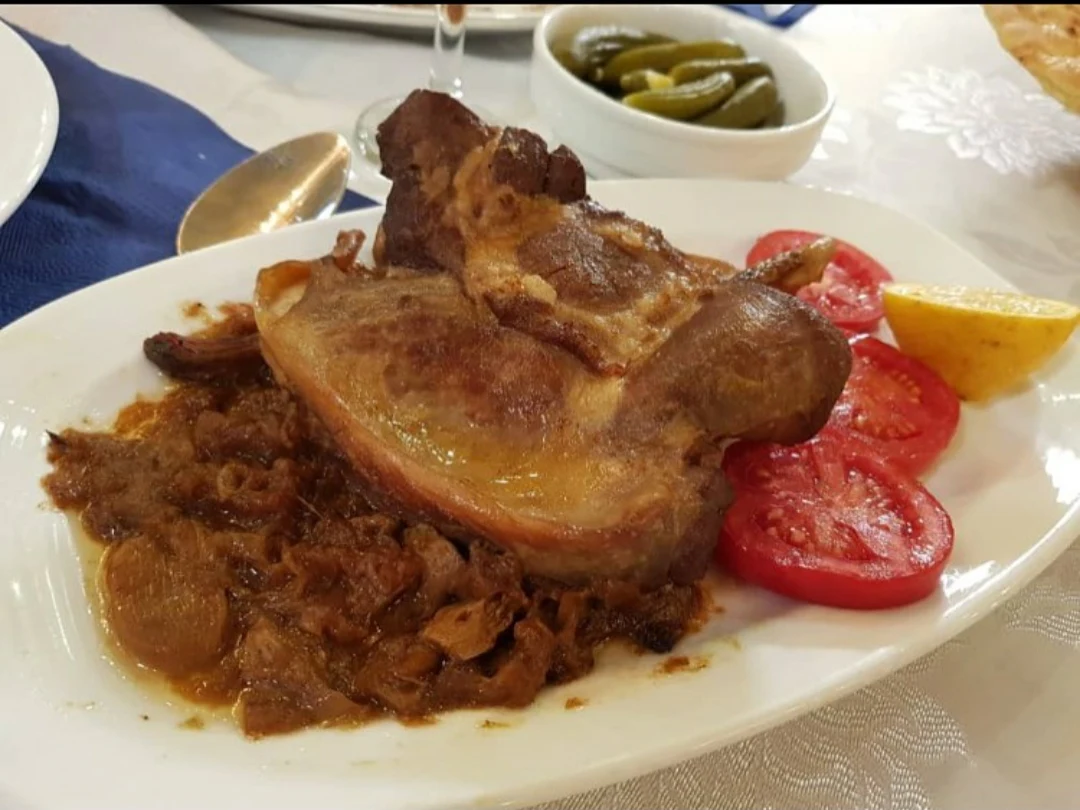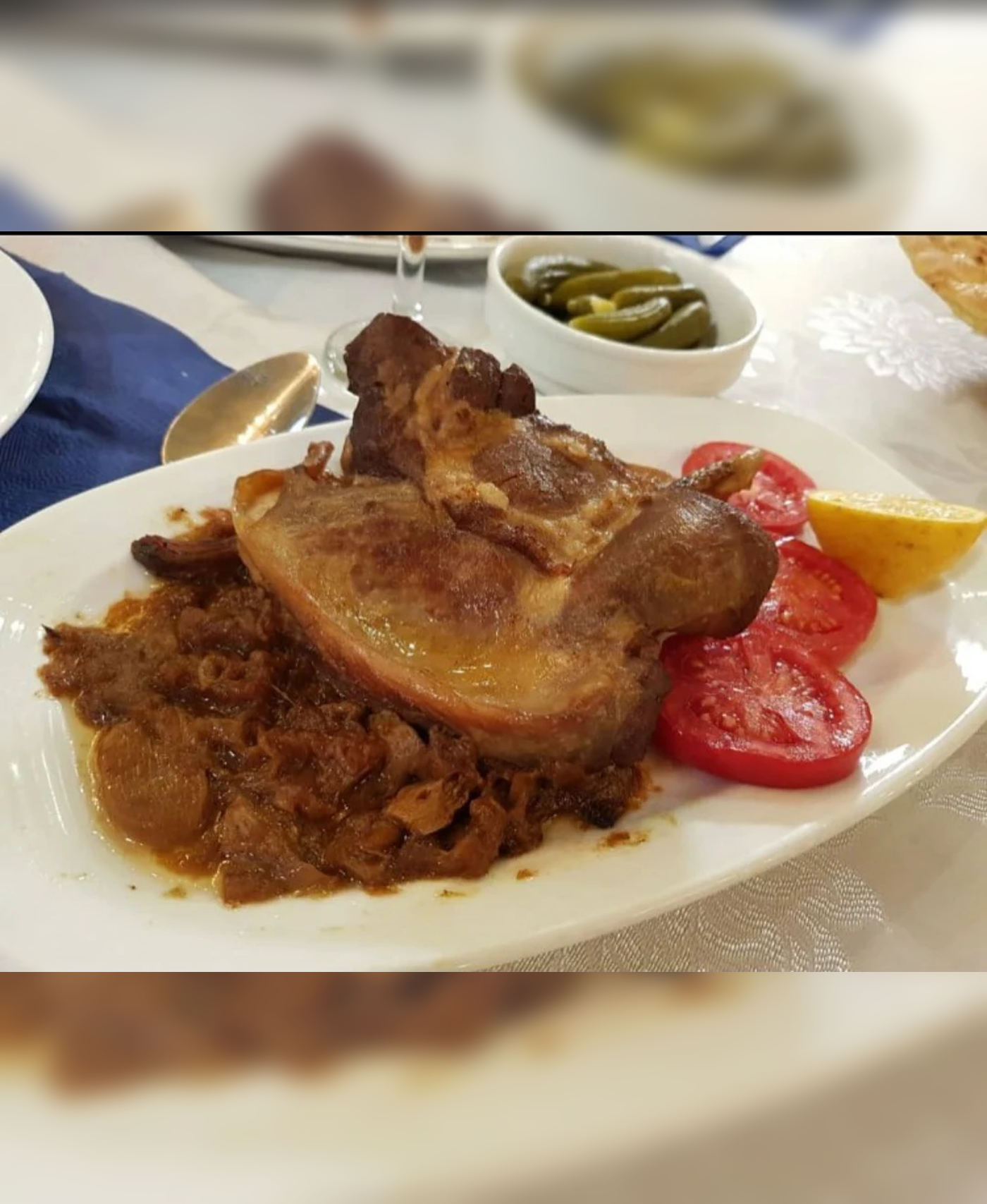
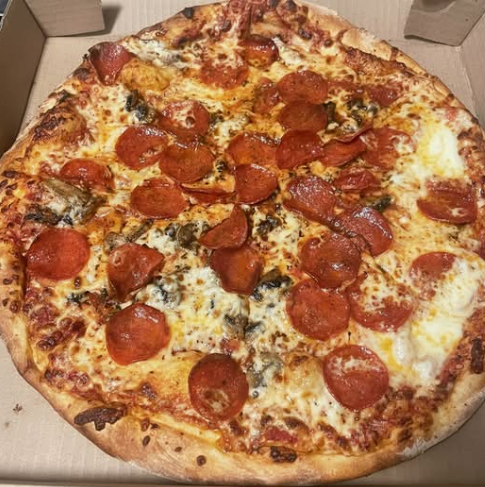
Weak photo. Lower confidence. More price pressure.
Tony's Pizza
Italian · Pizza · $$
30-40 min · $2.99 deliveryMenu image upgrades for restaurants that sell online
Upload one dish photo. We'll show how lighting, texture, and depth can make it look more appetizing without changing the dish.
Get My Free Sample AuditThe hard truth
A weak photo can make a premium dish feel cheap before the customer ever reads the description.
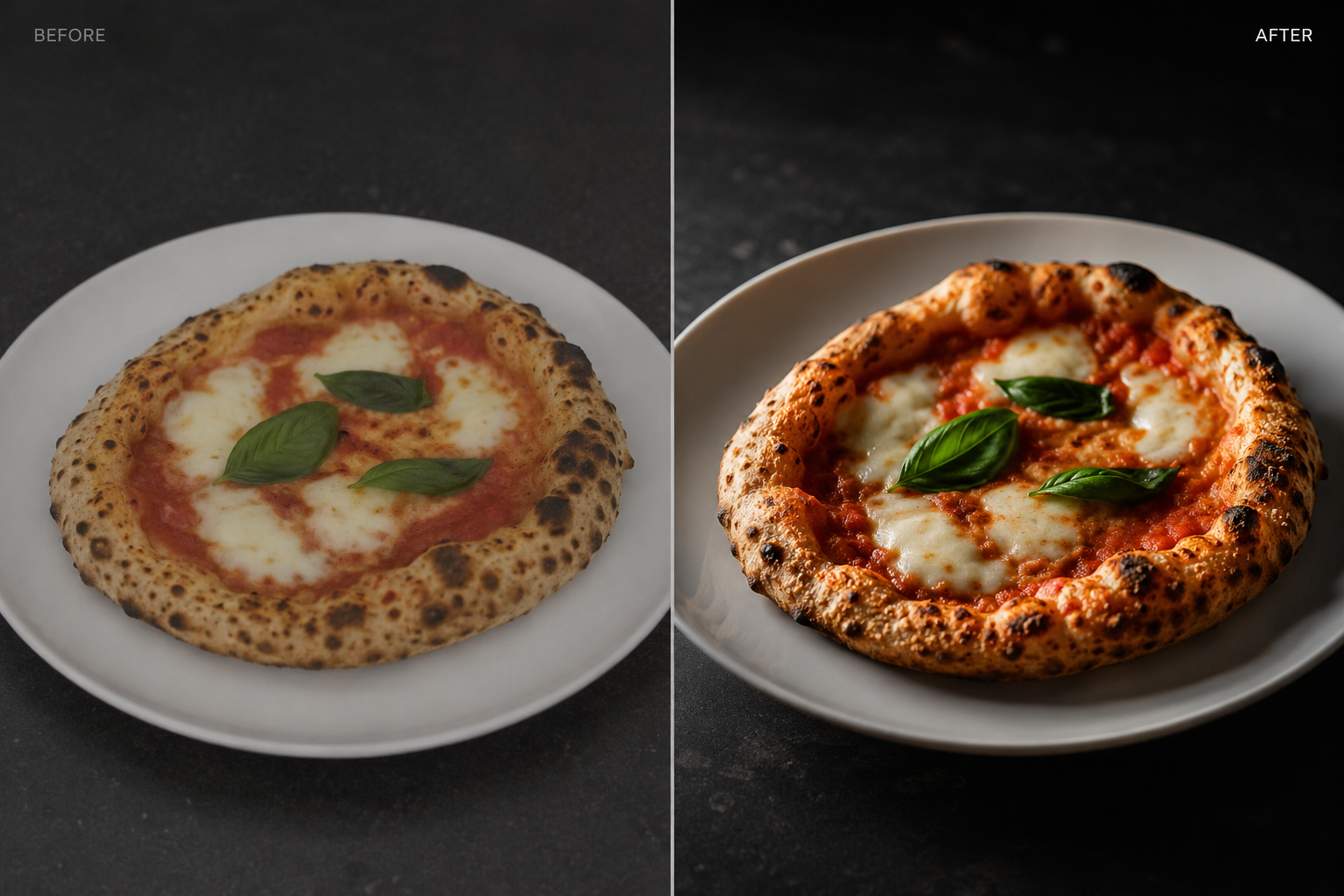
Weak photo. Lower confidence. More price pressure.
Italian · Pizza · $$
30-40 min · $2.99 delivery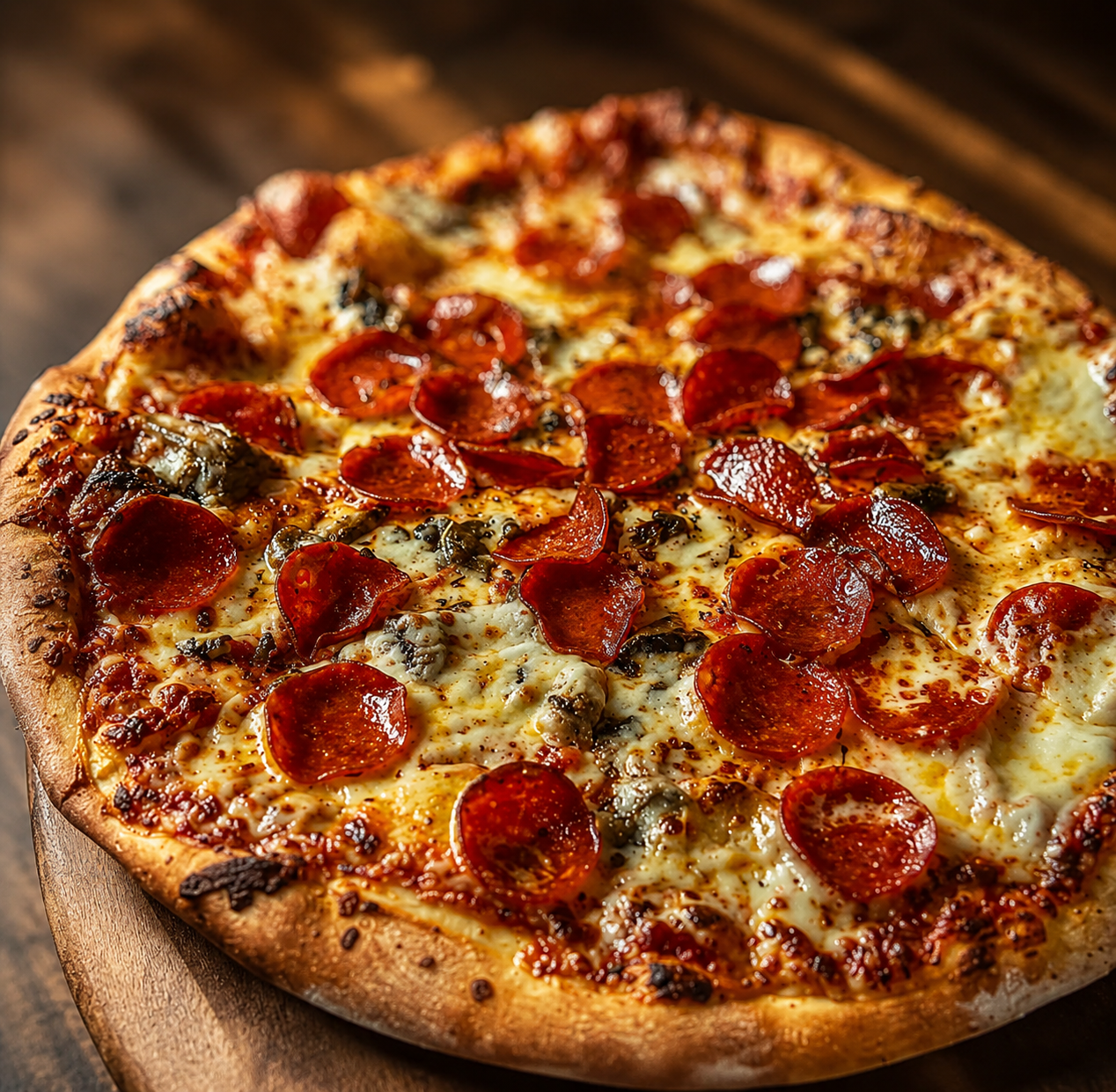
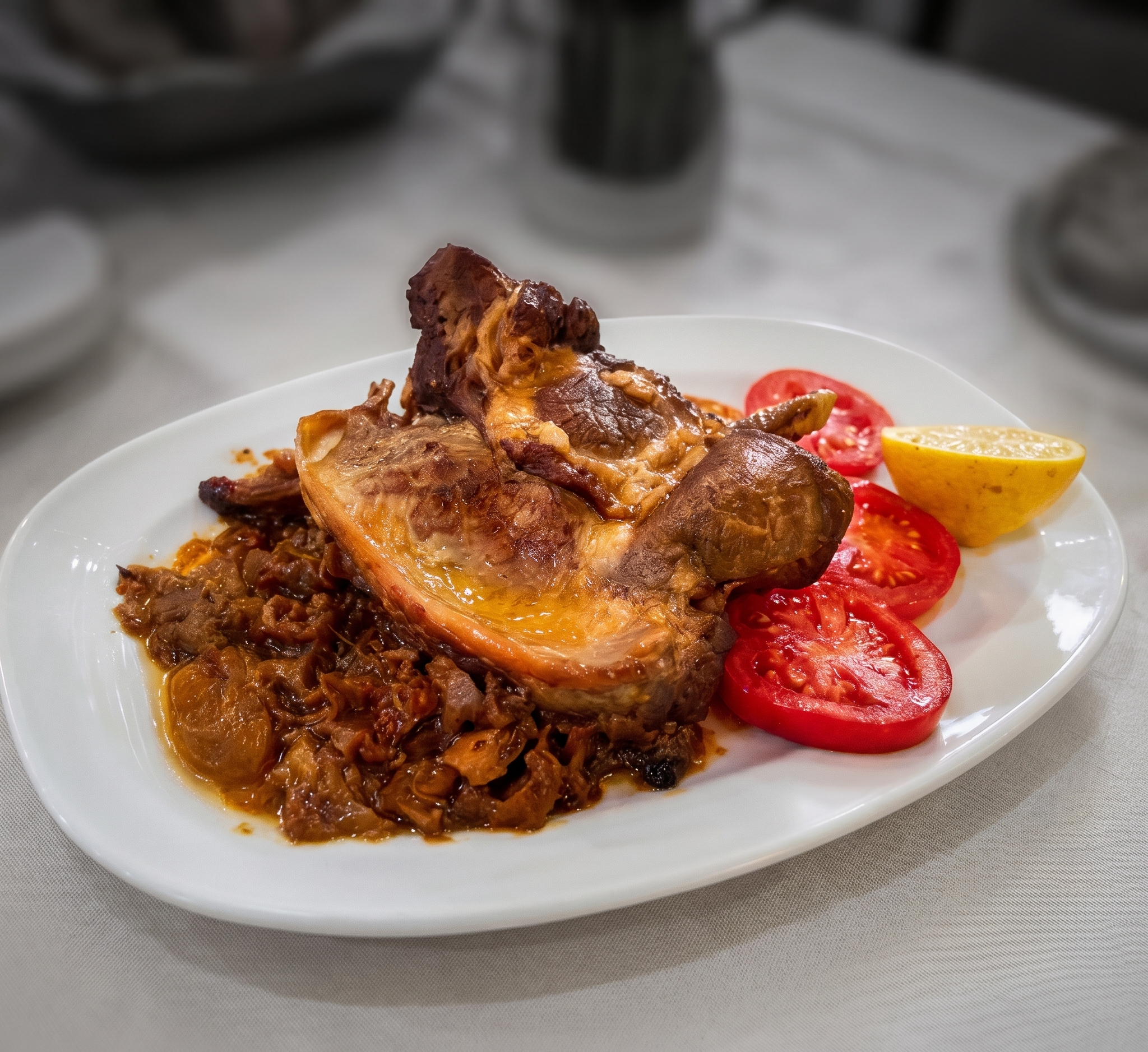
Clearer texture. Higher confidence. Stronger appetite before price.
Italian · Pizza · $$
30-40 min · $2.99 deliveryWe do not create fake food images. We do not change your ingredients, replace your dish, or damage the trust between your restaurant and your customers.
We take the food you already serve and present it at its highest potential.
Tony's Pizza did not need a different product. It needed a photo that stopped hiding the value of the product.
Sample audit view based on visual quality changes. Not affiliated with or endorsed by DoorDash or any delivery platform.
The proof
Diagnostic authority
Every image is upgraded through six visual checks: light, texture, freshness, realism, value, and ordering friction.
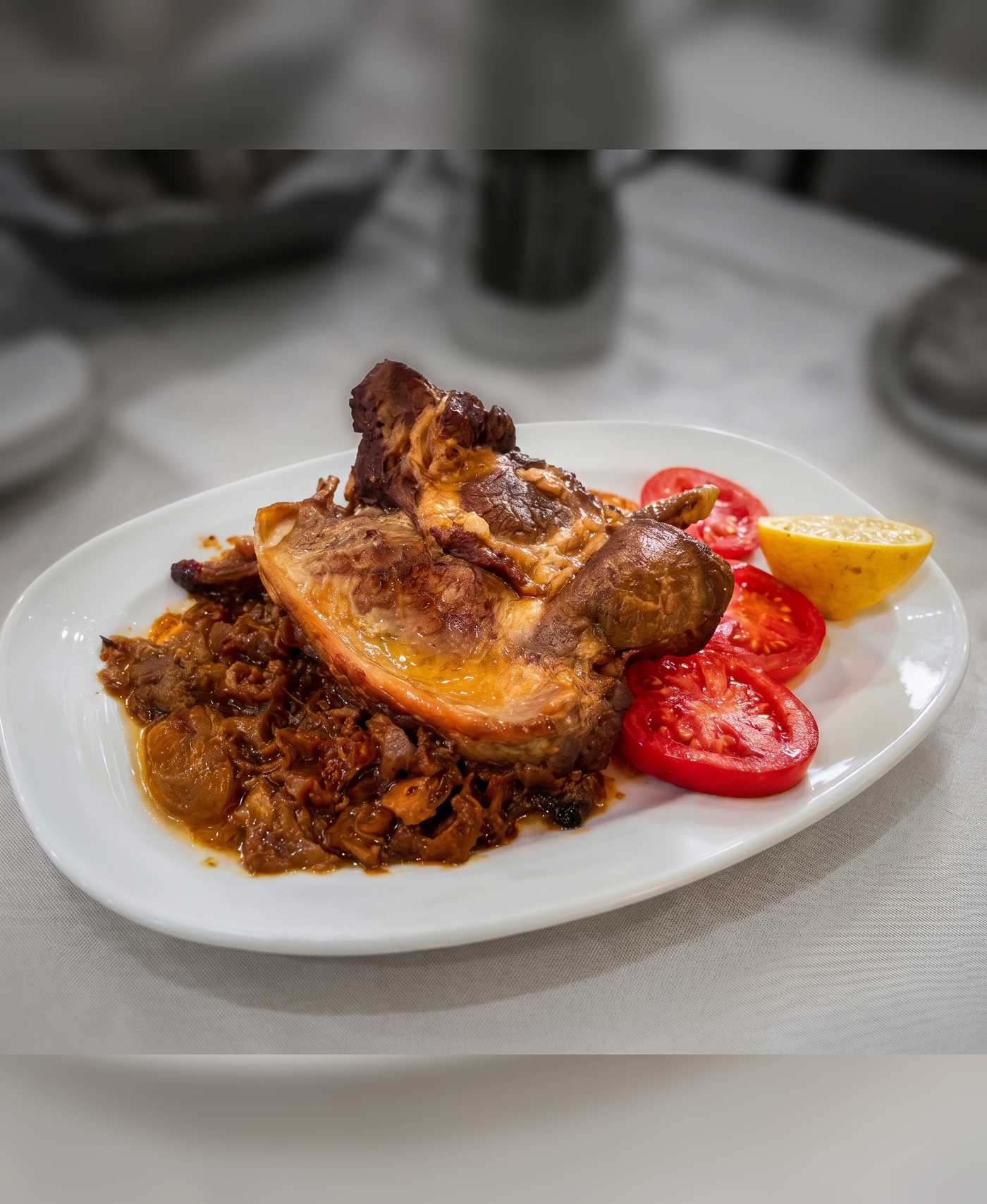
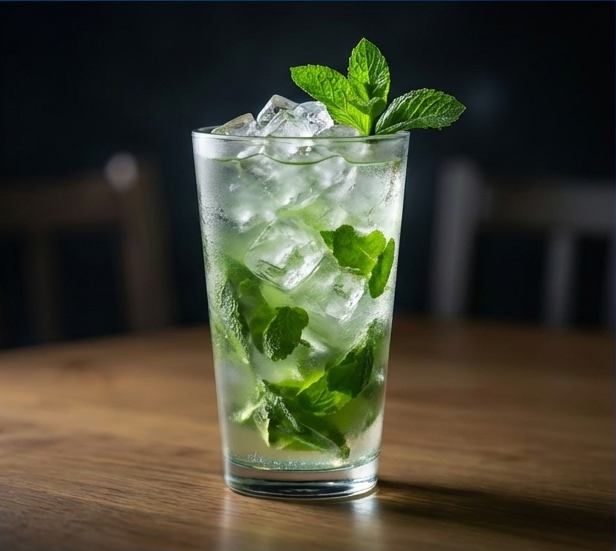
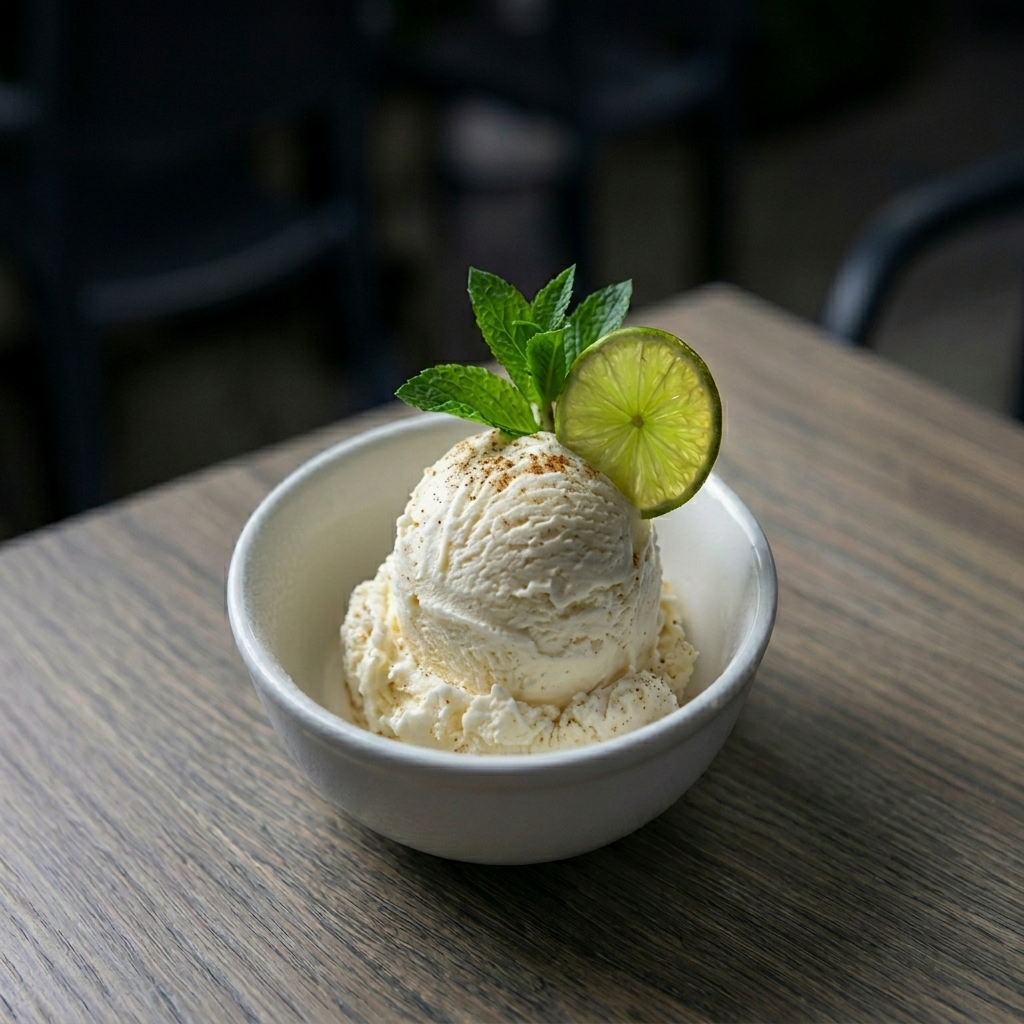
Not filters. Not gimmicks. A repeatable methodology for making great food look like itself.Flat light makes food look thin, dull, and lifeless. In the rendered upgrade, we simulate directional light and controlled micro-shadows to reveal texture, height, and shape. Same food. More depth. More appetite.
Our standard
We don't invent ingredients, fake portions, or turn real food into fantasy ads. We make the dish look closer to what customers should have seen in the first place.
The fix
We refine highlights, texture, and depth so the dish catches attention faster without looking fake or over-edited. The goal is simple: make good food easier to notice.
Flat lighting, dull color, and muddy contrast can make premium food look cheap. We clean up those visual weak points so the image feels closer to the quality of the dish.
When a dish looks clear, fresh, and intentional, customers need less convincing. The image helps them understand the value before they compare price.
The process
Begin with one free audit. If the direction feels right, test three images for $200 before committing to a full menu upgrade.
A quick first look at how one real dish photo can be improved.
Get Free Sample AuditSend one dish image with your restaurant name and contact details.
We check light, texture, freshness, value perception, and ordering friction.
You see the visual direction before deciding whether to upgrade more dishes.
A focused $200 test for three priority dishes, so you can judge the quality before scaling.
Book the 3-Image SamplePick bestsellers, high-margin items, or photos that currently weaken the menu.
Each image is upgraded through the same controlled workflow used for full-menu work.
You approve the style, realism, and direction before scaling to the wider menu.
Once the 3-image sample is approved, we apply the same visual direction across your priority menu items.
Requires Stage 2Prioritize bestsellers, high-margin items, or photos that weaken the menu.
Each image is refined for appetite, trust, and perceived value without making the food feel fake.
Use the upgraded photos across delivery apps, Google, your website, and digital menus.
What restaurant owners notice first
Restaurant owners don't need fake food. They need online images that carry the same freshness, appetite, and value guests see in person.
Questions owners ask
Yes. The goal is to improve how your actual dish is presented, not replace it with a different dish.
No. One clear phone photo is enough for a sample audit. Better source images help, but they are not required to start.
No. We use a controlled visual workflow with custom tools, rendering methods, lighting simulation, and trained models. The goal is directed, realistic improvement of your actual dish photo, not random image generation.
Restaurants typically use them on delivery apps, Google, websites, digital menus, and social posts.
If the sample direction makes sense, we can upgrade priority dishes first or build a consistent visual system for the full menu.